
How Heat Affects Your Performance in Group CPR Classes
When you think about CPR training, you probably picture hands-on practice, instruction from a trainer, and maybe even working in pairs within the group. But you might not immediately think about how heat can affect the way you learn or perform during one of these sessions. Whether you’re in a classroom or outdoors, high temperatures can make it harder to focus, move effectively, and stay alert.
Group CPR classes often involve physical movement, mental focus, and the ability to respond quickly, all of which can be impacted when your body is too warm. Understanding how heat affects your body is the first step to getting the most out of your training. It helps you stay alert for changes, reduce the risk of heat-related issues, and work better with others during exercises.
Understanding Heat’s Impact On Physical Performance
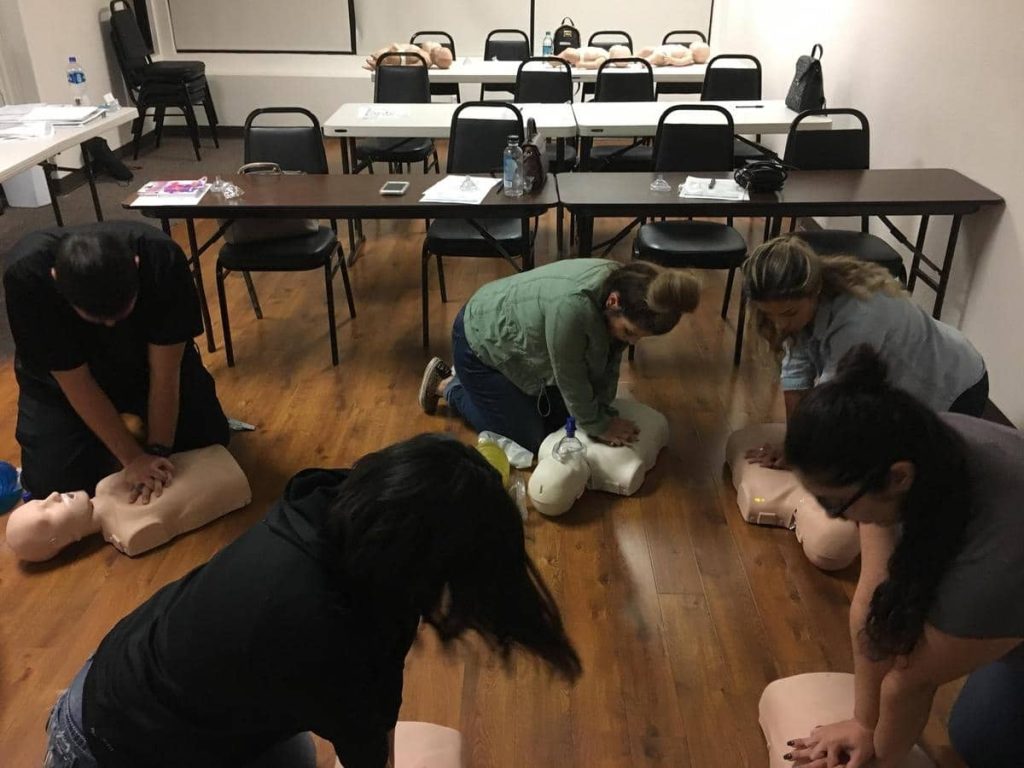
Heat can sneak up on you. It doesn’t always feel extreme at first, but once your body starts to feel the strain, it shows in how you react. CPR training is a hands-on process. You’re doing chest compressions, kneeling or bending, and staying engaged for an extended period. When the room is hot or lacks airflow, this kind of activity can start wearing you down very quickly.
Here’s how heat can affect your body during group CPR classes:
- Sweat increases to cool you down, which can lead to dehydration if you’re not replacing fluids.
- Your heart rate rises, even if you’re doing low-impact movements.
- It becomes harder to focus, process instructions, and remember steps.
- Fatigue can set in quicker than usual, making it tough to keep pace with the training.
A simple example is trying to do push-ups in a warm room with no fan running. At first, you might feel fine, but five minutes in, your arms feel heavier and your breathing gets shallow. CPR has a similar effect. Classes often require you to repeat the same motions, and in a heated space, it can hit harder.
What makes it more challenging is that heat doesn’t just affect one person. It affects the whole group. When several people in a class start to feel worn down, the session might slow, group focus can fade, and the instructor may need to pause more often. Being aware of the warning signs helps stop that from happening and makes sure everyone stays safe and gets the most out of the session.
Preparing For Heat-Intensive CPR Training
If your class is scheduled during the warmer months, it’s a good idea to plan ahead. Being ready before you walk into the room, or better yet, before you leave home, can make a big difference. You don’t need to do anything complicated. A few basic steps can put you in a better spot to stay focused and avoid getting too hot.
Here are some simple ways to prep for a heat-heavy CPR class:
- Drink water before arriving. Don’t wait until you feel thirsty during the session.
- Wear breathable, loose clothing. Avoid dark colors that absorb sunlight or heat.
- Bring your own water bottle. Keep it close so you’re not waiting in line for water.
- Ask ahead about the training location. If the space doesn’t have AC or fans, see if you can bring a small clip-on fan.
- Avoid caffeine before class, since it can cause dehydration.
- Eat a light meal or snack so you have steady energy without feeling too full.
If you can, pick a class that doesn’t fall during the hottest time of the day. Morning sessions are usually cooler, and your mind is often sharper. Afternoon or evening classes might sound easier to attend, but they usually come with more heat, especially in older buildings without proper AC or airflow.
It’s also smart to choose your spot in the room wisely. Look for a spot near a fan or vent if you can. That little bit of moving air can make a big difference over a couple of hours. Preparing for heat doesn’t take much effort, but ignoring it can leave you drained halfway through a hands-on drill. And that’s not where you want to be during CPR training.
Safety Measures During Heat-Intensive Training
Once you’re in the session, cooling down becomes just as important as learning the material. While prep work helps you show up ready, managing your body temperature during group CPR training is what keeps you going strong. Warm rooms paired with physical movement can wear out even the most prepared participant.
Try these tips to stay cool and keep your focus strong during group CPR classes:
- Take short water breaks between skill sets. Even if you don’t feel thirsty, a few sips here and there keep your energy up.
- Use a cooling towel or a cold cloth on your neck or wrists. This helps cool down key areas quickly and can feel refreshing during breaks.
- Light stretches help keep blood moving without adding strain. It’s not about exercise but keeping loose.
- Stand or sit near a fan or AC vent when you can. Even light air movement helps keep your temperature down.
- Pay attention to how you feel. If you start feeling dizzy or lightheaded, say something to the trainer. Don’t try to push through heat stress.
Instructors do their best to set up a safe learning space. But it’s still on each person to stay in tune with how they’re feeling. Ignoring early signs of heat exhaustion won’t help you learn better or faster. Take a break when your body tells you to.
It’s also worth keeping an eye on others in the group. If someone looks pale, is slow to respond, or is acting off, say something. Heat affects people in different ways, and checking in can prevent something serious from happening. Group awareness makes training better and safer for everyone.
Post-Training Care In Hot Weather
Just because training ends doesn’t mean your body is done working. After CPR class in a warm setting, it needs time to cool down and recover. Feeling weird or wiped out afterward might not be just from the skills practice. It could be leftover heat stress.
Here’s what to do after your training session to help your body bounce back:
- Sip water or a drink with electrolytes. Don’t drink too fast or too much at once.
- Get into a cool space quickly. Even sitting in your car with the AC on can help.
- Have a light snack with a good mix of protein and carbs to rebuild what you lost.
- Take it easy for an hour or so. Giving your body that rest time can prevent a rebound energy crash.
- Pay attention to how you feel later in the day. If you’re still dizzy, queasy, or weak, take it seriously.
If you’re still feeling off hours later, that’s a sign your body was strained more than you thought. Taking longer breaks, rehydrating, and possibly getting medical help if it worsens are all good steps. Training is important, but health always comes first.

Train Smart, Stay Safe
The heat isn’t just a background issue in CPR training. It plays a direct role in how well you learn and perform. When your body is too hot, your brain gets slower, your attention wanders, and your movements become less controlled. This isn’t what you want when learning how to handle emergencies.
Knowing how heat affects you helps you make better choices. Showing up in the right clothes, picking a cooler time of day, or drinking enough water ahead of time all make a big difference. These choices help you stay sharp and stay safe during group CPR training.
Keep comfort right up there with content. CPR classes are already physically and mentally intense. Adding in high heat can make it harder to stay focused and effective. Take care of your body before, during, and after training so you’ll feel prepared when it counts. With the right preparation, you’ll get the most out of every session and walk away feeling confident and ready to respond.
Feel ready to take on the heat? Join Medic First’s group CPR classes in Yuma to learn in a supportive and well-prepared environment. We’ll help you stay cool, comfortable, and confident while mastering the skills that matter most.